Nature Is Not an Extra: It Is a Core Entitlement
Nature and meaningful connection with other animals are not optional extras.
They are core entitlements essential to human health, dignity, and flourishing.
Yet history-taking and case conceptualization often overlook this fundamental part of human experience: whether a person has access to the natural world and opportunities to connect with other living beings.
We ask about family relationships, attachment, work, community, symptoms, and sources of support. But how often do we ask whether someone had a tree they sat beneath, an animal who helped them feel less alone, a garden they tended, or a place outdoors where their body could soften?
When we leave these questions out, we may be missing an important part of the person sitting across from or beside us.
Nature Deprivation Has a Cost
The opportunity to engage with nature and animals is central to the movement from surviving toward flourishing. Still, clinicians rarely explore whether clients had access to these experiences in the past, whether those relationships were disrupted, or whether meaningful connection with the living world is available to them now.
Limited access to nature has been associated with increased stress, cognitive fatigue, emotional depletion, and reduced well-being. These experiences matter clinically because they affect how the brain and body respond to the demands of everyday life.
When the nervous system has few opportunities to settle, orient, and experience the environment as safe enough, the body may spend more time preparing for danger.
Muscles tighten. Breathing becomes shallow. Attention narrows. The body braces for a threat that may or may not be present.
This is not a failure of the nervous system. It is the nervous system doing what it has learned to do in the absence of enough safety, rest, connection, and environmental support.
Connection Can Be Small and Still Matter
Connection with the natural world does not have to mean hiking through a forest, traveling somewhere remote, or living with a companion animal.
It may look like watching birds gather at a feeder. Noticing squirrels move through the yard. Sitting beneath a tree. Tending a garden. Opening a window and feeling the air change. Listening to rain. Or sensing the steady presence of an animal nearby.
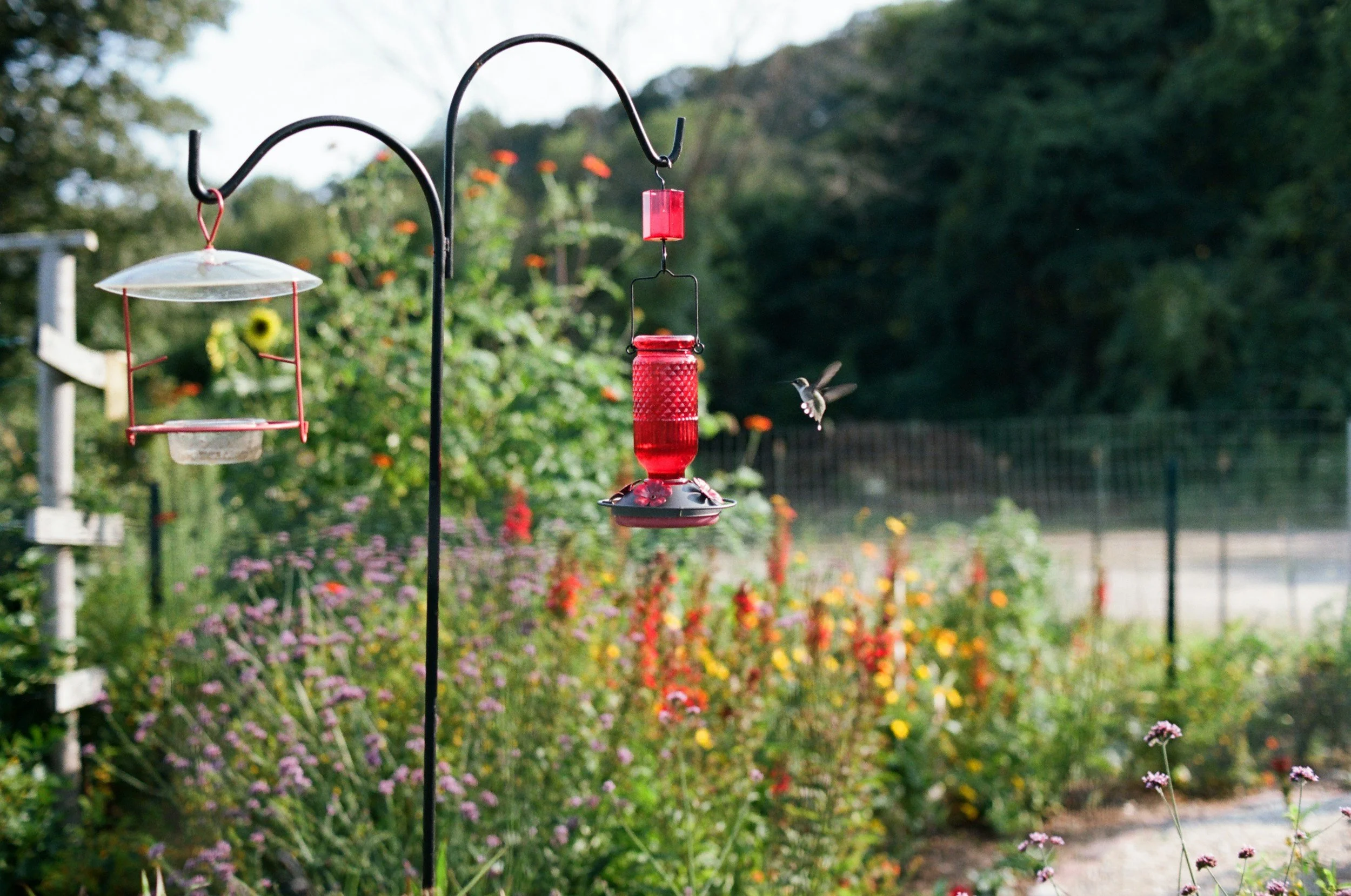
These moments of slow attention and embodied curiosity can create meaningful psychological and physiological shifts.
The heart rate may slow. The breath may deepen. Muscular tension may soften.
The eyes may begin to take in more of the environment. The armor the body learned to wear may loosen, even briefly. And as physiology changes, the stories available to the brain may also shift.
Story follows state.
When the nervous system has greater access to groundedness, openness, and curiosity, the brain has more room to construct adaptive interpretations of the present moment, the surrounding world, and the self.
A body that feels access to safety th has more capacity to imagine safety, connection, possibility, and belonging.
A Missing Dimension of Capability Deprivation
When we fail to ask about nature and animals, we may overlook an essential dimension of capability deprivation.
We miss the opportunity to ask:
What was this person entitled to receive as a living being that they did not receive—and how has that absence shaped the mind and body?
Was safety an option when you went outside? Perhaps access to nature was limited by poverty, disability, discrimination, neighborhood violence, institutionalization, or environmental injustice.
Was an animal part of your nurture team? It is possible this was their most consistent source of connection, yet it has never been meaningfully named or discussed. It is also possible they experienced the death, removal, or forced separation from an animal and no one named it as disenfranchised grief.
Above all, perhaps the natural world offered one of the few places where their body could settle, breathe, and feel like it belonged.
These experiences are not peripheral to clinical work. They can reveal important information about attachment, regulation, grief, identity, safety, and resilience.
Bringing the Living World Into History-Taking
In your next session, consider asking:
What role has nature played in your life?
Were animals ever a source of safety, companionship, grief, or belonging?
Were there places outdoors where you felt more like yourself?
Where do you currently experience connection with the living world?
What happens in your body when you imagine, or experience, those connections?
What becomes possible when your body has access to them?
The answers may reveal resources, losses, and pathways toward healing that traditional history-taking has left unexplored.
Nature and animals are not simply pleasant additions to a well-lived life. They are part of the relational and sensory world human beings need in order to regulate, connect, and flourish.
Perhaps it is time our clinical questions reflected that.