Trainings


Embodied Preparation: An Experiential Somatic EMDR Phase 2 Training
A live, four-part training for clinicians who want to build the internal foundation clients need before reprocessing: safety, capacity, and readiness.
You will learn to increase interoceptive awareness, work with neuroception, use titration and pendulation, and build adaptive information. Every session is experiential and interactive, with time for practice, reflection, and integration, so the work lands in your body and not only your notes.
Includes 8 EMDRIA CEs.
Live sessions, all 2:00 – 4:30 PM ET:
Monday, October 12, 2026
Monday, October 19, 2026
Monday, November 2, 2026
Monday, November 9, 2026
$200 per clinician. Spaces are limited.
Led by Alison Leslie, LCSW, SEP. Trauma therapist, EMDR consultant and trainer, and Somatic Experiencing Practitioner.
Sign up now
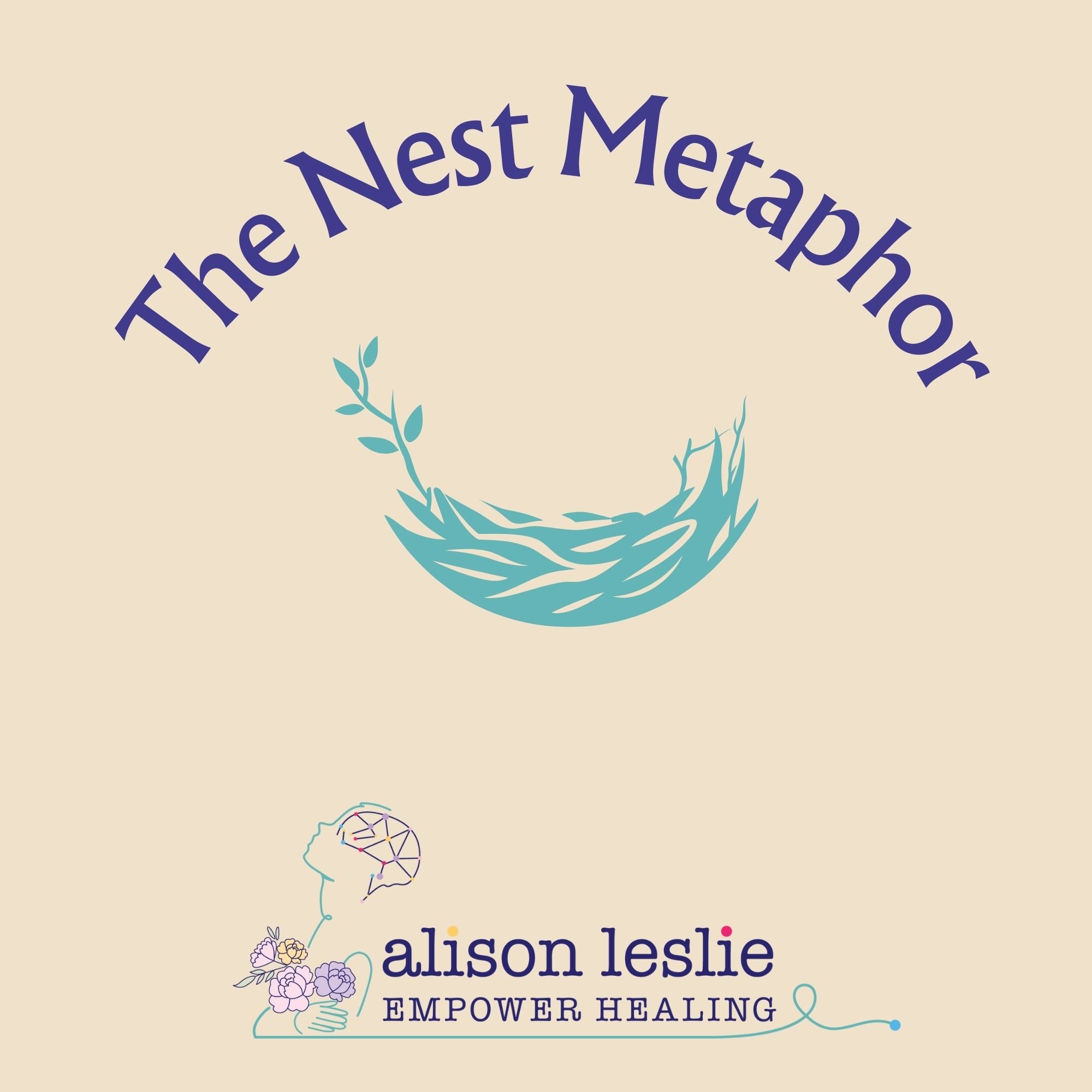
Trauma Therapist InstituteThe Nest Metaphor: A Nature-Based, Somatic Approach to EMDR Phases 1 and 2
The Nest Metaphor is a 3-hour EMDR-informed training that introduces a nature-based, somatically oriented framework for enhancing case conceptualization, history-taking, and preparation in EMDR therapy. Drawing on bio-psycho-social-cultural perspectives and imagery from the natural world, the Nest Metaphor helps clinicians understand how clients’ early emotional and physical “nests” shaped nervous system development, attachment patterns, and ongoing responses to safety and threat.
Rooted in clinical and philosophical frameworks that emphasize the conditions necessary for human flourishing, the Nest Metaphor promotes a compassionate, non-pathologizing understanding of trauma responses.
Sign up now for $115Trauma Therapist InstituteSomatic EMDR Training: Advanced Trauma Therapy Practitioner Program
From Survival to Flourishing: Somatic EMDR in Practice
Some clients “do EMDR” exactly as they were trained to. Their bodies don’t. They go numb when you approach certain targets. They flood after sessions, even with careful pacing. They stay “fine” on the surface while their nervous systems are quietly stuck in survival.
If you’re ready to bring the body fully into your EMDR work, with interventions that honor EMDR fidelity and the lived wisdom of somatic therapy, this advanced Somatic EMDR Training for EMDR therapists is for you.
In this experiential, EMDRIA‑approved training with Alison Leslie, LCSW, SEP, you’ll learn how to integrate somatic trauma therapy principles into every phase of EMDR. You’ll leave with concrete maps, scripts, and somatic interventions you can immediately use with trauma clients on your caseload.
Sign Up for $297 (payment plan available)
Trauma Therapist InstituteIntroduction to Somatic EMDR: From Survival to Flourishing
Your clients are doing EMDR. Their bodies are doing something else entirely.You follow the protocol. You pace carefully. You do everything right. And yet some clients go blank the moment you approach a target. Others flood hours after a session. Some stay stuck in the same place for weeks, no matter how thoughtful your preparation.
This isn't a failure of your training. It's a signal from the body that standard protocol alone isn't reaching everything that needs to be reached.
This free one-hour course is an introduction to Somatic EMDR: what it is, why it matters, and how integrating somatic awareness into your EMDR practice can open new pathways to healing for the clients who need it most.
Sign Up for Free
Trauma Therapist Institute:EMDR and Somatic Therapy
Integrating Body-Based Interventions Across the 8 Phases
Trauma lives in the body. Your clients know this, and so do you. But knowing it and knowing what to do about it in an EMDR session are two different things.
EMDR and Somatic Therapy is a two-day on-demand training with Alison Leslie, LCSW, Somatic Experiencing Practitioner, and EMDRIA-approved EMDR trainer. This course teaches you how to integrate somatic therapy across all eight phases of EMDR, so you can help clients attune to their bodies, expand their window of tolerance, and move toward healing with more ease and less fear.
If you have been relying on cognitive interweaves that are not landing, struggling to help clients track their internal experience, or wondering how to work somatically without derailing the EMDR process, this training gives you the framework and the clinical tools to do it well.


Trauma Therapist InstituteEMDR and the Human Animal Bond
The human-animal bond is more than just companionship—it’s a powerful source of safety, regulation, and attachment. For many trauma survivors, animals serve as co-regulators, providing a sense of stability that traditional therapeutic approaches may struggle to replicate. But how do you ethically and effectively integrate this bond into EMDR therapy? This course bridges that gap, giving you the tools to honor and incorporate the deep connection clients have with their animals into trauma processing.
You’ll learn how to recognize when an animal’s presence or memory can serve as a resource, how to weave attachment-based interventions into EMDR, and how to navigate grief and loss when a client’s animal has passed. Whether you work directly with therapy animals or simply want to integrate the human-animal bond into your practice, this course provides a framework for deepening the healing process in an ethical and trauma-informed way.

Human Animal Interaction APA Division 17, Section 13Polyvagal Theory and the Human Animal Bond: (Free)
Watch Now